Within my mentoring, I do not compare people by charts and tables. I map their system through 5 key biological pillars:
1. Threshold of sensory activation (Vigilance)
Each archetype has a different point at which its nervous system evaluates a signal from the environment as a hidden threat.
High vigilance (e.g. Deer, Mouse, Snake): Their nervous system is evolutionarily tuned to detect even the smallest changes in the environment. They tend toward rapid sympathetic activation (flight). For these people, "safety" is defined by silence, predictability, and the possibility of an escape route.
Low vigilance (e.g. Elephant, Buffalo, Cow): They have a more robust nervous system with a higher threshold of tolerance. Smaller stressors do not throw them off. They perceive safety through stability, rituals, and physical grounding.
2. Your innate stress autopilot (Fight - Flight - Freeze)
The neuro-archetype precisely determines which biological strategy your system chooses under pressure before your mind even has time to engage:
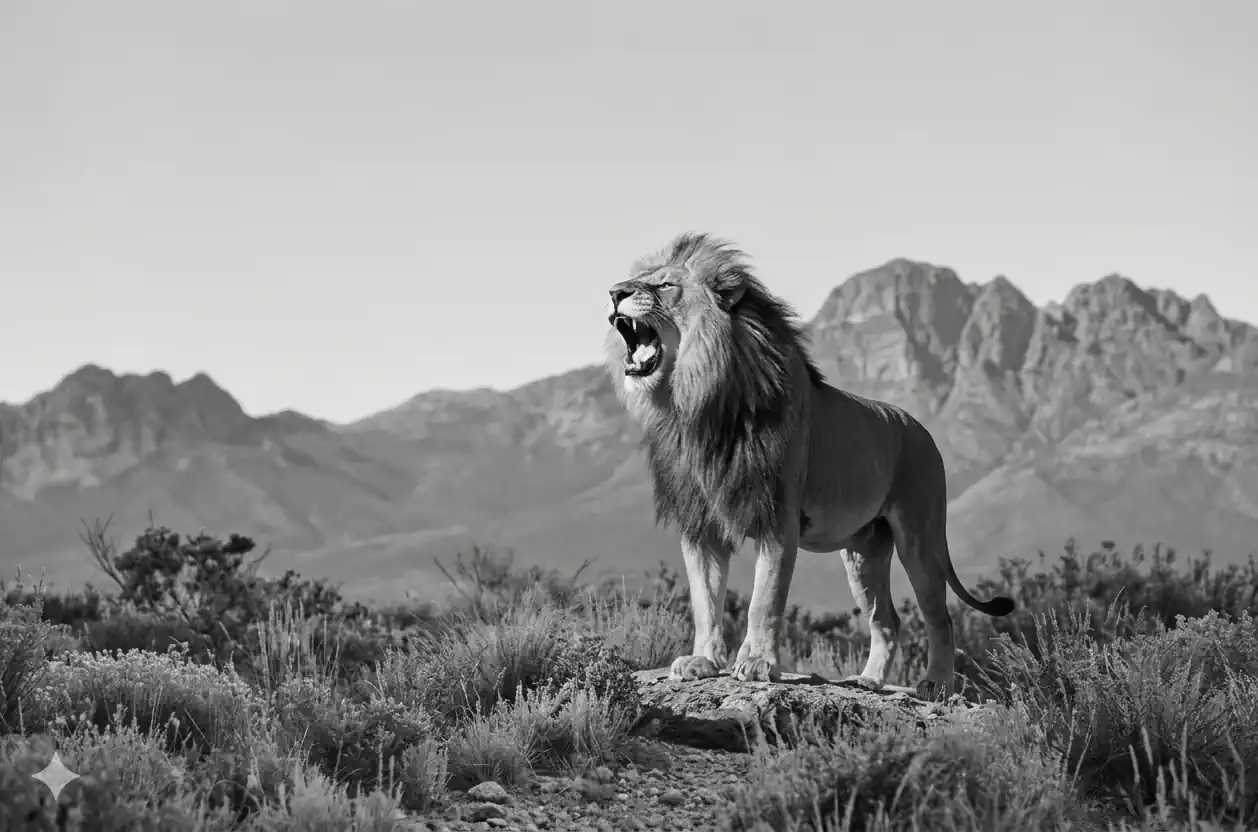
Fight: Tiger, Lion, Dog.
Immediate glucose mobilization, rising pressure, aggression, and dominance. This system needs to discharge stress through physical action, otherwise it begins to damage the team or the body itself.
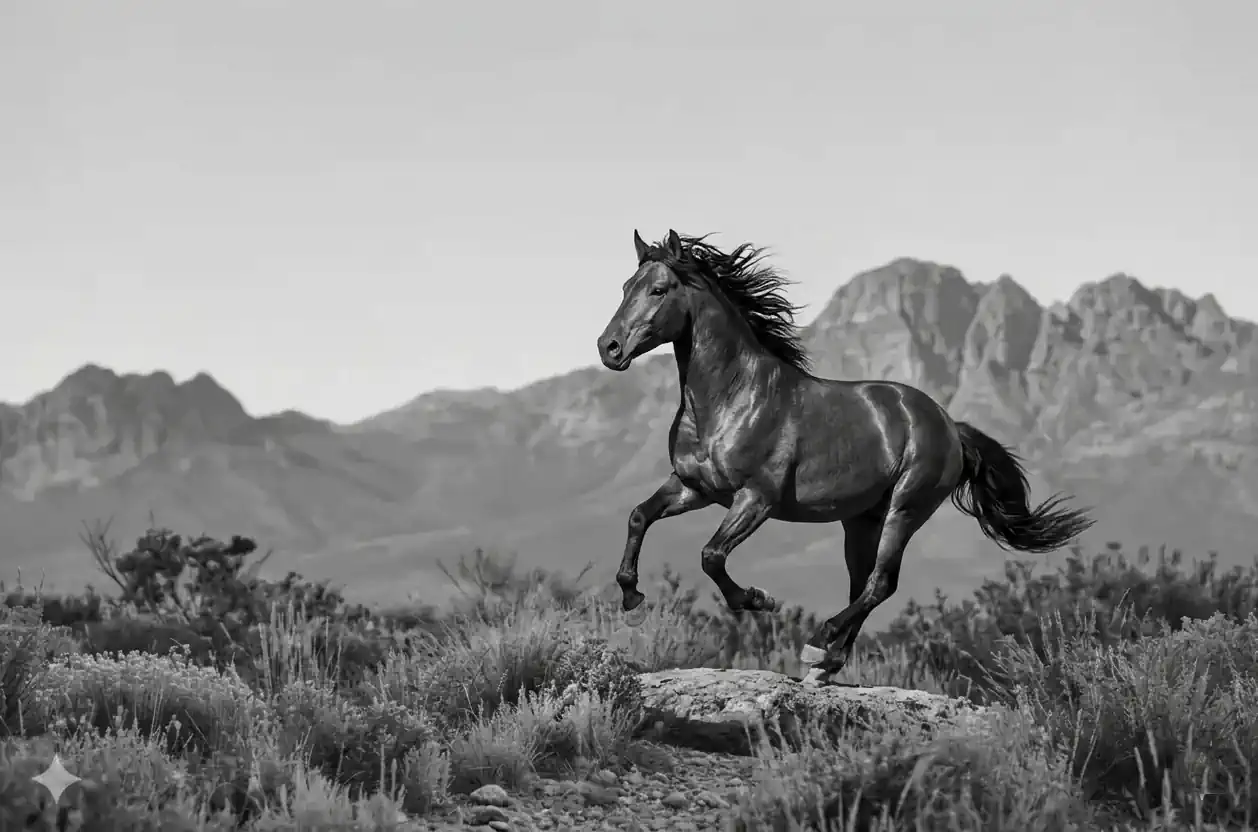
Flight: Horse, Deer, Monkey.
Rapid mobilization away from the source of tension, micromanagement, restlessness. When these people are trapped in a dysfunctional environment or corporate structure, their anxiety rises sharply.
Freeze/Fawn: Cat, Snake, Mongoose.
A strategy of sudden shutdown, numbing, or trying to please everyone at one’s own expense. Under long-term pressure, this system falls most easily into dorsal shutdown (chronic fatigue, apathy).
3. Need for safety and social engagement
According to Polyvagal Theory, we need a state of "safety" for regeneration. Archetypes tell us how to build that safety, because deep reset requires specific conditions based on our biological wiring.
Social types (Monkey, Dog, Elephant): Their nervous system regulates effectively through healthy interaction and safe alliance (co-regulation). They need their tribe.
Solitary types (Tiger, Snake, Cat): To regenerate and return to a calm state (ventral vagus), they need quiet isolation and a space where nobody places demands on them.
4. Dynamics of regeneration and performance
Each archetype’s nervous system has a different "switching off" rhythm:
Fast regeneration (Horse, Lion): They are capable of high performance (high sympathetic tone), but then need deep and uncompromising rest. If they keep going on inertia, the system collapses.
Ongoing regeneration (Cow, Buffalo): They prefer a stable, consistent pace. When forced into nonstop business sprints, their system becomes exhausted extremely quickly at the adrenal level.
5. Biological compatibility (Neuro-match in business and relationships)
From a biological point of view, this means that the presence of one archetype automatically triggers a stress response in the other, even when there is no rational reason for it.
Example: If in business or partnership you are the type that attacks under pressure (Lion), and your counterpart has a highly sensitive nervous system that responds by fleeing (Deer), constant subconscious neuroception of danger arises. The result is chronically elevated cortisol on both sides and an absolute inability to relax next to each other.